For many families, the last piece of Ireland an ancestor saw was a quayside at one of Ireland’s many ports of emigration, like Cobh in Cork, Derry and Galway, where a loved one would set sail for a new life in countries as far away as Australia, New Zealand, Canada, the United States and South America. All of them have been touched and influenced by the Irish at one point or another.
Many of these ships were called “coffin ships”, the historical term for an overcrowded, disease-ridden, unseaworthy vessel. The name is mainly associated with the mass emigration across the Atlantic that Ireland saw during the Great Famine of the 1840s and 1850s.
Standing on that spot can be one of the most powerful parts of a heritage trip, partly because it is one of the few places you can be fairly confident your ancestor stood.
This guide looks at Cobh in County Cork, the port with the strongest emigration story in Ireland, and at how to work out whether your family may have left from there.
Cobh: the harbour that saw millions leave
Cobh sits on Great Island in Cork Harbour. It was known as Cove, then renamed Queenstown in 1849 to mark a visit by Queen Victoria, and took the Irish spelling Cobh in the early 1920s after independence. If your ancestor’s emigration papers say Queenstown, this is the place.
About six million people emigrated from Ireland between 1848 and 1950, and more than 2.5 million of them departed from Cobh, making it the single most important emigration port in the country. Sailing ships carried emigrants during the Famine years. Later, the great steamship lines called at Queenstown on their transatlantic routes, with passengers taken out to the liners by tender.
What to see in Cobh
- The Queenstown Story at Cobh Heritage Centre, housed in the old railway station on Deepwater Quay. Its exhibition traces emigration, the Famine, convict transportation and the port’s maritime history. The centre also offers a family history research service.
- The Annie Moore statue outside the heritage centre. Annie left Queenstown on the SS Nevada on 20 December 1891 with her two brothers and became the first immigrant processed at Ellis Island when it opened on 1 January 1892.
- The Titanic connection. On 11 April 1912, Queenstown was the Titanic’s final port of call. The former White Star Line offices now house the Titanic Experience.
- The Old Church Cemetery just outside the town, where many victims of the Lusitania, sunk off the Old Head of Kinsale in May 1915, are buried in mass graves and individual plots.
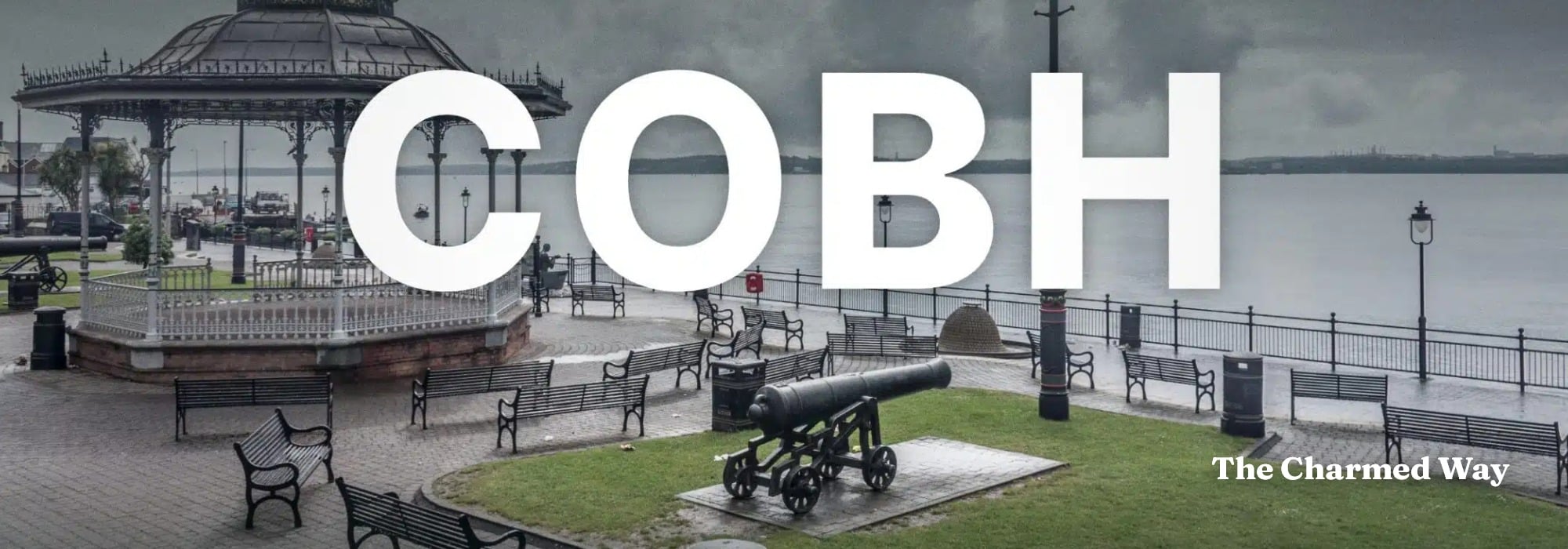
Much of Cobh’s waterfront still looks much as it did in the early twentieth century, which makes it easy to picture the town as emigrants knew it.
Which port did your ancestor leave from?
The answer depends a lot on when they left. Outward passenger lists for long-distance voyages from UK and Irish ports survive from 1890 to 1960 in the UK National Archives (series BT 27), and they cover all Irish ports until partition in 1921. They are searchable online through subscription sites. Before 1890, departure lists rarely survive, so the evidence usually comes from the arrival end and from family papers. Some places to look:
- Outward passenger lists (1890 to 1960), if your ancestor left in that period.
- Arrival records in the destination country, such as passenger manifests, immigration records and naturalisation papers, which often name the port of departure.
- Family documents such as tickets, letters and diaries.
- The date and destination. Famine-era emigrants often sailed from smaller local ports. Later emigrants to the United States in the steamship era very often left from Queenstown.
If you cannot confirm the port, it is still reasonable to visit the one your family most likely used, as long as you describe it that way. If your family came from Kerry, our guide to tracing Kerry ancestors covers the local records that can fill in the rest of the story.
Building a port into a heritage journey
An emigration port gives a family story its ending in Ireland and its beginning somewhere else. On a heritage trip, it often works best as the final stop after you have seen the parish, the townland and the graveyard. Cobh fits naturally into a journey through Cork, alongside Kinsale and the West Cork coast.
The Legacy Trail is our private ancestry journey, shaped around the places connected with your family, including where they left from. If you also want to see more of the south, Ireland’s Southern Gem takes in Kerry and the Cork coast, and our private day tours can be built around a single place or theme.
Questions About Cobh and Irish Emigration
Is Queenstown the same place as Cobh?
Yes. The town was called Cove, renamed Queenstown in 1849, and became Cobh in the early 1920s. Records from 1849 to the early 1920s usually say Queenstown.
Are there passenger lists for ships leaving Ireland?
From 1890 to 1960, yes: outward lists for long-distance voyages are held by the UK National Archives in series BT 27 and include Irish ports up to 1921. Before 1890, departure lists rarely survive, so arrival records in the destination country are usually the best source.
Can Cobh Heritage Centre help with family research?
The centre offers a family history research service. Contact them directly for current details and fees.
Plan the journey from parish to port
If you know, or suspect, where your ancestors left from, tell us what you have found and how long you have. We will suggest a realistic route that connects the places that matter to your family.
Family roots can lead anywhere on the island, and so can we. The Charmed Way plans private heritage and ancestry tours all over Ireland, combining the places connected with your family with highlights such as the Cliffs of Moher, Connemara, the Ring of Kerry and Cobh.